How to Increase Testosterone Naturally: What the Evidence Shows
Sleep, body fat, strength training, alcohol and nutrient status all affect testosterone. What research shows, how testing works, and supplement limits.
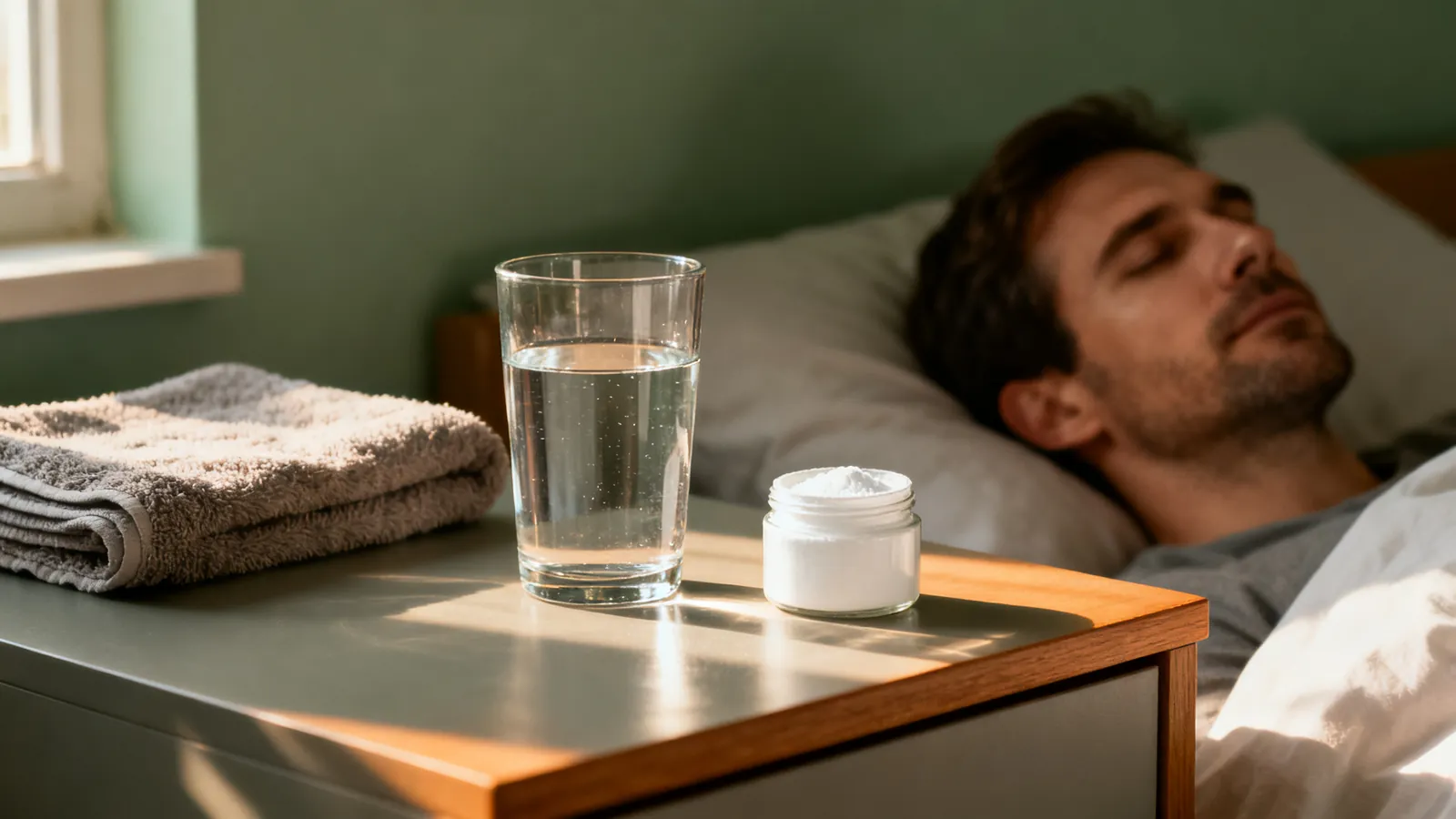
Testosterone is the main androgen in men, produced mostly in the testes with signals from the pituitary gland. It shapes muscle mass, bone density, red blood cell production, libido and mood. Levels vary through the day, peaking in the early morning, and drift downward slowly from the thirties onward. That drift is modest in most men, and it is not the same as hypogonadism, a clinical deficiency that needs a diagnosis and, in many cases, prescription treatment. The habits below have the most consistent evidence behind them for supporting normal testosterone production. None of them is a treatment for a diagnosed deficiency, and no supplement replaces a blood test.
What the research shows about naturally increasing testosterone
The strongest evidence sits with sleep, body composition, resistance training, alcohol intake and correcting a genuine nutrient deficiency. Reviews of the research consistently find that severe sleep restriction lowers testosterone in healthy young men, sometimes within a week. Trials in men with obesity show that losing fat through diet and exercise raises testosterone, with the largest changes in those who start with the lowest levels. Resistance training produces small acute rises after sessions; over months, the bigger effect is through improved body composition and insulin sensitivity rather than a direct hormonal spike.
Vitamin D and zinc are the two nutrients most often studied. When a man is deficient, correcting that deficiency can move testosterone modestly. When levels are already normal, supplements generally do not push testosterone higher. Reviews of the evidence for herbs such as ashwagandha, fenugreek, tribulus and maca are mixed, with small trials, short durations and inconsistent results. Some show changes in libido or subjective wellbeing without clear changes in measured testosterone. That distinction matters: feeling better is not the same as a hormone change.
Age does lower testosterone, but the decline is gradual and varies widely between men. A man in his fifties can have levels in the normal range; a man in his thirties can be genuinely low. Symptoms alone do not tell the difference, which is why testing matters more than guessing.
How to improve testosterone naturally: sleep, training and body fat
Sleep is the lever with the clearest signal. Most studies use seven to nine hours a night as the reference range. In controlled settings, restricting healthy men to about five hours of sleep for a week reduced daytime testosterone compared with a full night. Shift work, sleep apnoea and chronic short sleep are common and often undiagnosed. Treating sleep apnoea has been studied for its effects on hormones, and it is a medical condition, not a lifestyle tweak.
Body fat matters because adipose tissue contains aromatase, an enzyme that converts testosterone to oestradiol. More fat means more conversion, and it also lowers sex hormone binding globulin in ways that complicate interpretation. Weight loss through diet and activity has been studied in men with obesity, and reviews suggest testosterone rises in proportion to the fat lost, particularly around the abdomen.
Resistance training two to four times a week, with compound movements and progressive overload, supports muscle mass, bone density and insulin sensitivity. Aerobic exercise helps too, but very high volumes of endurance training in lean men have been associated with lower testosterone in some studies. The practical target is consistent, moderate training rather than extremes.
Alcohol is dose-dependent. Heavy or binge drinking lowers testosterone acutely and chronically, and it also disrupts sleep. Reducing intake to low or moderate levels is one of the more reliable changes a man can make. Chronic stress raises cortisol, which can suppress the pituitary signals that drive testosterone production. Sleep, exercise and structured relaxation are the studied approaches; the evidence for specific stress-reduction programmes on testosterone is limited but plausible.
Vitamin D and zinc status are worth checking if there is reason to suspect deficiency. Low vitamin D is common in northern latitudes and in men who spend little time outdoors. Zinc deficiency is less common but occurs with poor intake, heavy alcohol use or certain gut conditions. Correcting a deficiency is reasonable; megadosing is not, and high-dose zinc can interfere with copper absorption.
How testosterone is tested properly
A morning blood test is the standard. Testosterone peaks between roughly 7am and 10am, so samples drawn later in the day can read falsely low. A single low result is not a diagnosis. Guidelines generally call for two separate morning measurements, often with sex hormone binding globulin or free testosterone calculated, plus luteinising hormone and follicle-stimulating hormone to distinguish testicular from pituitary causes. Prolactin, iron studies and thyroid function may be added depending on the picture.
Symptoms that warrant a doctor’s assessment include persistent low libido, erectile difficulties, loss of morning erections, unexplained fatigue, loss of muscle or body hair, breast tenderness or enlargement, hot flushes, and mood changes. These overlap with depression, sleep apnoea, thyroid disease, anaemia and medication side effects, so a blood test is the starting point, not a supplement. Men with obesity, type 2 diabetes, opioid use, anabolic steroid history or pituitary conditions are at higher risk of genuine deficiency.
Side effects, interactions and who should avoid supplements
Testosterone-boosting supplements are not risk-free. Ashwagandha has been associated with liver injury in case reports and may affect thyroid hormone levels; it should be avoided by men with thyroid disease or on thyroid medication without medical advice. Fenugreek can lower blood sugar and may interact with diabetes medication; it has also been reported to cause gastrointestinal upset. Tribulus and maca have limited safety data at high doses. Zinc above the tolerable upper intake level can cause nausea, copper deficiency and anaemia over time. Vitamin D in large doses can raise blood calcium.
Anyone taking medication, particularly anticoagulants, diabetes drugs, thyroid medication, antidepressants or blood pressure drugs, should speak to a doctor or pharmacist before starting any supplement. Men with prostate cancer or a history of it, and men with liver or kidney disease, should not self-treat with hormonal or herbal products. Men on prescribed testosterone should not stop or change it without the prescriber. Testosterone therapy itself suppresses sperm production and can raise red blood cell counts, which is why it is monitored.
Common mistakes and what supplements cannot do
No supplement treats an enlarged prostate or low testosterone. An enlarged prostate, or benign prostatic hyperplasia, is managed with prescription medication, procedures or lifestyle changes under medical supervision. Saw palmetto has been studied for urinary symptoms, with results generally no better than placebo in larger trials. It is not a treatment for prostate cancer, and no supplement is.
A common mistake is chasing a number without symptoms or a proper diagnosis. Another is assuming that feeling tired means low testosterone, when sleep apnoea, depression, anaemia and thyroid problems are more common explanations. A third is using herbal blends with undisclosed ingredients, which may contain prescription drugs or unlisted steroids. Products marketed as natural testosterone boosters have been found in independent testing to contain synthetic hormones.
What supplements cannot do is replace sleep, training, body composition and alcohol reduction, which carry the strongest evidence. They also cannot diagnose anything. A morning blood test and a conversation with a doctor are the only reliable way to know whether testosterone is actually low, and whether the cause is testicular, pituitary or something else entirely.
| Approach | Evidence strength | Typical use | Who it does not suit |
|---|---|---|---|
| Sleep 7-9 hours | Strong | Nightly, consistent schedule | Men with sleep apnoea need medical assessment first |
| Fat loss if overweight | Strong | Diet and activity, gradual | Men who are already lean; avoid crash dieting |
| Resistance training | Moderate | 2-4 sessions a week | Men with injuries or heart conditions without clearance |
| Reducing alcohol | Moderate | Lower intake, avoid binge drinking | Men with alcohol dependence need medical support |
| Vitamin D if deficient | Moderate | Correct deficiency only | Men with normal levels; high doses risk hypercalcaemia |
| Zinc if deficient | Moderate | Correct deficiency only | Long-term high doses risk copper deficiency |
| Ashwagandha | Limited, mixed | Short trials, various doses | Thyroid disease, liver disease, pregnancy |
| Fenugreek | Limited, mixed | Short trials | Diabetes medication, bleeding disorders |
| Tribulus, maca | Weak | Small trials | Limited safety data; avoid in liver or kidney disease |
| Prescription testosterone | Strong for deficiency | Doctor-supervised only | Men with normal levels; fertility planning |
When to see a doctor rather than buy a supplement
Persistent symptoms, a single low morning result, or any breast changes, testicular pain or urinary symptoms should go to a doctor. Men over 40 with obesity, diabetes or long-term opioid use should ask about testing. A pharmacist can check interactions if a supplement is being considered alongside medication. The evidence for lifestyle change is real but modest, and it works best alongside proper diagnosis, not instead of it.
Common questions
How can I increase my testosterone naturally?
The habits with the best evidence are sleeping seven to nine hours, losing excess body fat, doing resistance training two to four times a week, and reducing heavy alcohol intake. Correcting a genuine vitamin D or zinc deficiency can help modestly. None of these treats a diagnosed deficiency, which needs a doctor.
Does sleep affect testosterone?
Yes. Controlled studies restricting healthy men to about five hours of sleep for a week have shown lower daytime testosterone compared with a full night. Sleep apnoea and shift work are common causes of chronic short sleep and should be assessed medically.
What time should I get my testosterone tested?
Morning, ideally between 7am and 10am, because testosterone peaks then. A single low result is not a diagnosis; guidelines usually call for two separate morning samples, sometimes with other hormones measured.
Do testosterone boosters work?
Reviews of herbs such as ashwagandha, fenugreek, tribulus and maca show mixed results from small, short trials. Some report changes in libido or wellbeing without clear hormone changes. Products marketed as boosters have also been found to contain unlisted prescription drugs or steroids.
Can low testosterone be treated without medication?
Lifestyle changes can raise testosterone modestly in men who are overweight, sleep-deprived or heavy drinkers. If levels are genuinely low, a doctor will investigate the cause and may recommend prescription treatment. Do not stop or change prescribed medication without the prescriber.
Read next
L-Carnitine and Acetyl-L-Carnitine: What They Do
L-carnitine shuttles fatty acids into mitochondria. A look at the forms, what studies used, TMAO and heart questions, and thyroid and blood-thinner cautions.

Muscle Loss After 50: What Slows It and What Doesn't
Sarcopenia explained: how fast muscle declines after 50, why strength training and protein per meal matter most, and what creatine, vitamin D and HMB can do.
Prostate Supplements: Saw Palmetto, Pygeum and the Rest
Saw palmetto, pygeum, beta-sitosterol, rye pollen, lycopene and zinc: what prostate supplement trials show, what they cannot do, and who should skip them.