BCAAs: Do They Help If You Eat Enough Protein?
BCAAs may help in specific cases, but if you eat enough protein, they add little. Learn what the research shows, how to use them, and who should skip them.

Training supplements, protein and men's health by the numbers
Training supplements, by the gram. Creatine doses, what is really in a pre-workout, how much protein you need for your goal, and men's health after 40 - with the research behind every figure.
Four sections, each opening with the guide that covers the essentials.
Monohydrate against the other forms, loading or not, how much per day, creatine for women and the HMB stack - the numbers the research actually used.
5 guides
What is in the tub, ingredient by ingredient and dose by dose: caffeine, citrulline, beta-alanine, nitrates, and what a stim-free formula relies on.
5 guides
Grams per kilo for every goal, per-meal amounts, and the honest case for and against BCAA, EAA and glutamine products. Plus a calculator for your own number.
6 guides
Testosterone boosters and what is in them, prostate supplements, muscle loss after 50 and carnitine - what the research shows and which symptoms need a blood test, not a pill.
5 guidesBCAAs may help in specific cases, but if you eat enough protein, they add little. Learn what the research shows, how to use them, and who should skip them.
Compare essential and branched-chain amino acids: what research suggests, amounts studied, and when an EAA or BCAA product may suit you better than plain protein.
How creatine and HMB work together, what research suggests for beginners and older adults, typical amounts studied, and who should avoid the combination.
Creatine for women: the amounts studied, how it affects the scale, the hair loss myth, use after 40 and around menopause, and who should ask a doctor first.
L-citrulline and L-arginine compared: how each works, the amounts studied, citrulline malate versus pure powder, timing, side effects and who should avoid them.
Creatine monohydrate explained: what it does in muscle, loading and daily doses studied, timing, water weight, kidney safety, and label reading.
Creatine monohydrate is the form most research used. How HCl, micronized and buffered creatine compare, doses studied, timing, water weight and kidney safety.
Most of the result is training, food and sleep. The tub is the last few percent.
Find your protein numberMonohydrate against the other forms, loading or not, how much per day, creatine for women and the HMB stack - the numbers the research actually used.
How creatine and HMB work together, what research suggests for beginners and older adults, typical amounts studied, and who should avoid the combination.
Creatine for women: the amounts studied, how it affects the scale, the hair loss myth, use after 40 and around menopause, and who should ask a doctor first.
Creatine monohydrate explained: what it does in muscle, loading and daily doses studied, timing, water weight, kidney safety, and label reading.
What is in the tub, ingredient by ingredient and dose by dose: caffeine, citrulline, beta-alanine, nitrates, and what a stim-free formula relies on.
L-citrulline and L-arginine compared: how each works, the amounts studied, citrulline malate versus pure powder, timing, side effects and who should avoid them.
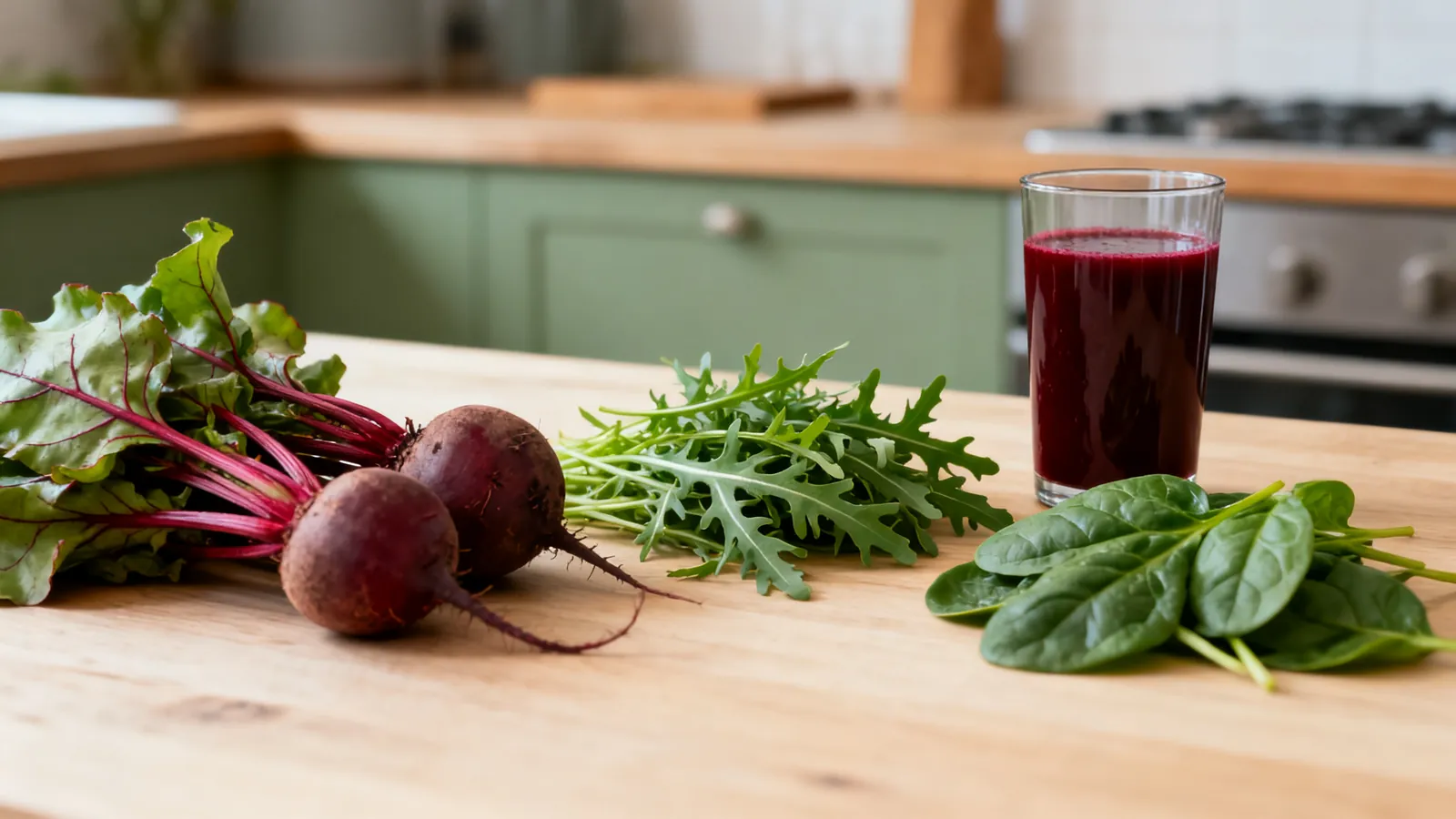
How beetroot, rocket and spinach raise nitric oxide, why mouthwash matters, and how dietary nitrate compares with citrulline and arginine pre-workout.
How nitric oxide supplements work, why citrulline beats arginine, nitrate dosing, caffeine limits, and who should avoid these pre-workout ingredients.
Grams per kilo for every goal, per-meal amounts, and the honest case for and against BCAA, EAA and glutamine products. Plus a calculator for your own number.
BCAAs may help in specific cases, but if you eat enough protein, they add little. Learn what the research shows, how to use them, and who should skip them.
Compare essential and branched-chain amino acids: what research suggests, amounts studied, and when an EAA or BCAA product may suit you better than plain protein.
Grams of protein per kilogram for sedentary adults, active people, muscle gain, fat loss and over-50s, plus per-meal amounts and food versus powder.
Testosterone boosters and what is in them, prostate supplements, muscle loss after 50 and carnitine - what the research shows and which symptoms need a blood test, not a pill.
Sleep, body fat, strength training, alcohol and nutrient status all affect testosterone. What research shows, how testing works, and supplement limits.
L-carnitine shuttles fatty acids into mitochondria. A look at the forms, what studies used, TMAO and heart questions, and thyroid and blood-thinner cautions.
Saw palmetto, pygeum, beta-sitosterol, rye pollen, lycopene and zinc: what prostate supplement trials show, what they cannot do, and who should skip them.