L-Glutamine: What It Does and Who Might Need It
L-glutamine is the body's most abundant free amino acid. What the muscle and gut research actually shows, doses studied, and who should ask a doctor first.
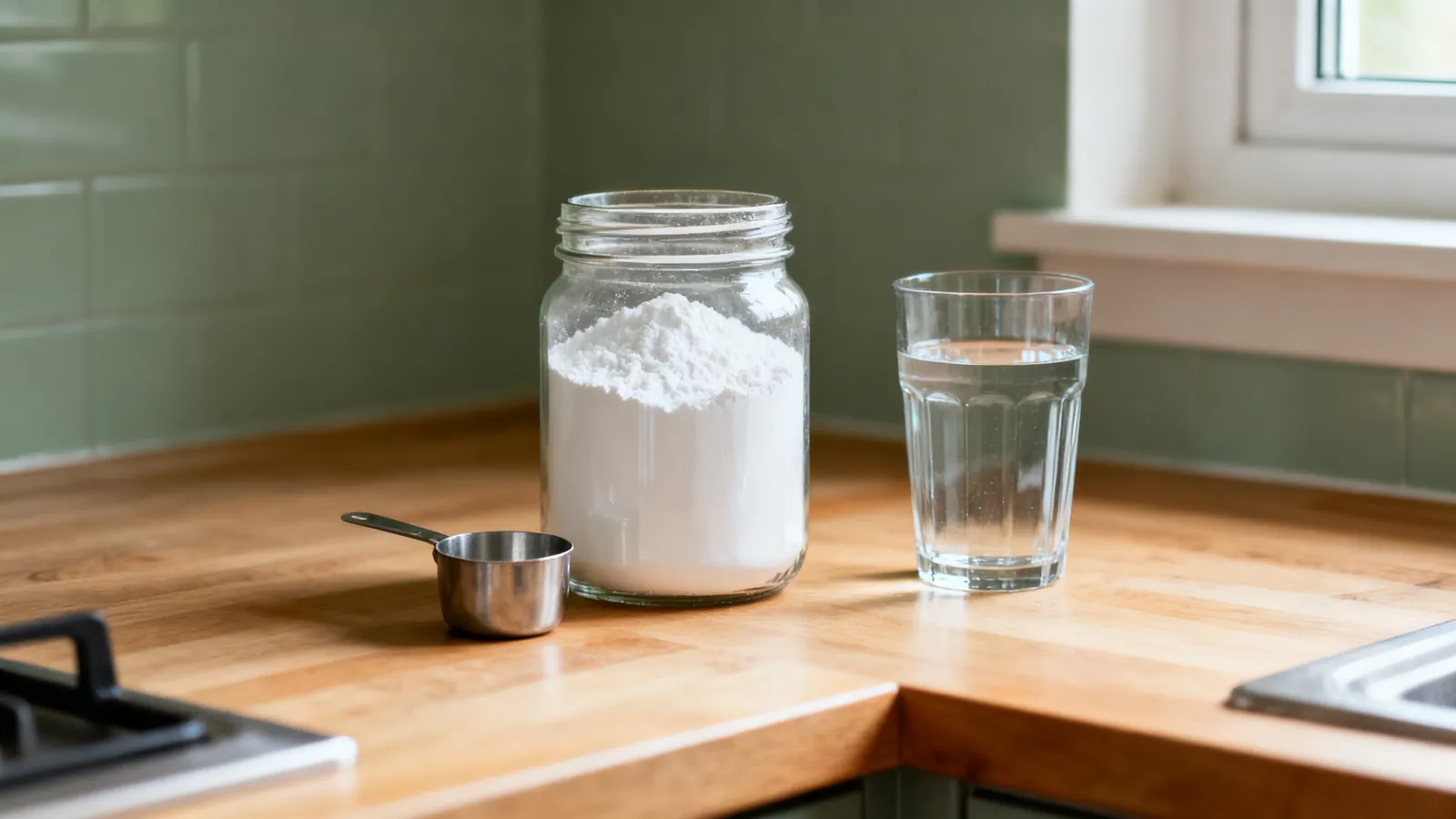
Glutamine is the most abundant free amino acid in blood and skeletal muscle, and the body makes far more of it than any diet supplies. That single fact shapes everything that follows: a nutrient the body already synthesises in large amounts is hard to sell as a muscle builder, and the honest case for an l glutamine supplement rests on narrower ground than the label copy suggests.
What follows is a reference on what glutamine does, where the research is strong and where it is thin, the amounts commonly studied, and the groups who should not take it without medical input.
What glutamine is and what it does in the body
Glutamine is a non-essential amino acid, meaning the body synthesises it. It carries nitrogen between tissues, feeds rapidly dividing cells, and acts as a fuel source for enterocytes (cells lining the small intestine) and for immune cells such as lymphocytes. During catabolic stress, illness, burns or prolonged intense training, plasma glutamine can fall, and that observation is the origin of most glutamine research.
It is not an essential amino acid in the way leucine or lysine are. Dietary protein supplies it in quantity, and endogenous production is substantial. Any claim about glutamine has to clear that bar first.
What the research shows, and how strong it is
The evidence splits into two very different bodies of work.
Muscle and strength in healthy lifters
Reviews of resistance-training trials in healthy adults have generally found no meaningful effect of glutamine supplementation on muscle mass, strength or lean body mass when protein intake is adequate. Some early single trials reported reduced soreness or better recovery markers, but these have not held up consistently in larger or better-controlled work. The honest summary: for a well-fed lifter, glutamine is not a muscle-building supplement.
Gut and clinical settings
A separate literature examines glutamine in clinical populations: critical illness, major surgery, burns, chemotherapy-related mucositis, and short bowel syndrome. Findings are mixed. Some trials report reduced mucosal damage or improved gut barrier markers; others show no difference. Reviews tend to conclude that evidence is limited and that glutamine is not a routine therapy outside specific supervised settings. Anything involving a diagnosed condition belongs with the treating clinician, not the supplement aisle.
Where the evidence is weakest
Claims about glutamine and general immunity, fat loss, hormone output or “gut reset” in healthy people rest largely on mechanistic reasoning rather than outcome trials. Mechanism is not evidence of benefit.
How much glutamine is used, and when
Doses in the research literature vary widely by context. Studies in healthy adults have commonly used 5–20 g a day, often split into two or three servings. Gut-focused clinical protocols have used higher amounts under supervision, but those are not consumer doses.
Practical points:
- A common label range is 5 g per serving, once or twice daily.
- Timing is not critical for glutamine itself; it is not a pre-workout stimulant and does not need to be taken around training.
- Powder dissolves easily in water and is largely tasteless, which is why l glutamine powder is the usual format. Capsules exist but require many to reach 5 g.
- Do not exceed what the label states. Higher is not better here, and the muscle-building case does not exist to justify pushing the dose.
Food sources versus powder
Glutamine is abundant in animal protein. Approximate amounts per 100 g of food:
- Beef: roughly 3–4 g
- Chicken: roughly 2–3 g
- Fish: roughly 2–3 g
- Eggs: roughly 0.6 g per two large eggs
- Dairy (milk, cottage cheese, Greek yogurt): roughly 0.5–1.5 g per serving
- Legumes and tofu: roughly 0.5–1 g per serving
A person eating 1.6–2.2 g of protein per kilogram of body weight daily is already taking in several grams of glutamine from food alone. For most readers, that is the relevant number.
Protein targets that matter more
If the goal is muscle, the variables that move the needle are total protein and training, not glutamine. Commonly cited ranges:
- General health: 1.2–1.6 g/kg per day
- Muscle gain: 1.6–2.2 g/kg per day
- Dieting or older adults: 1.6–2.4 g/kg per day
Per-meal amounts of roughly 0.3–0.4 g/kg, spread across three to five meals, are commonly used to support muscle protein synthesis. To get a personal number, the protein calculator at /tools/protein-calculator/ converts body weight into daily grams and per-meal targets.
Glutamine compared with other amino acid products
| Product | What it is | Evidence for muscle in healthy lifters | Typical studied amount | Who it does not suit |
|---|---|---|---|---|
| L-glutamine | Non-essential amino acid | Weak to none when protein is adequate | 5–20 g/day | Liver disease, some seizure conditions, cancer treatment without medical clearance |
| BCAAs | Leucine, isoleucine, valine | Weak if total protein is adequate | 5–10 g/day | Anyone already hitting protein targets; those wanting full amino coverage |
| EAAs | All nine essential amino acids | Moderate, especially when protein intake is low | 6–15 g/day | People with adequate protein who want a cheaper route via food |
| Whey or plant protein | Complete protein | Strong | 20–40 g per serving | Dairy allergy (whey); those meeting needs from food |
| Collagen | Incomplete protein, glycine-rich | Not a muscle builder | 10–15 g/day | Anyone using it in place of a complete protein |
Side effects, interactions and who should avoid it
At commonly studied amounts, glutamine is generally well tolerated. Reported effects are mostly mild: bloating, cramping, loose stools or nausea at higher intakes.
Groups who should not start glutamine without a doctor’s input:
- People with liver disease, including cirrhosis or hepatic encephalopathy. Glutamine is involved in ammonia handling, and supplementation in this group requires medical supervision.
- People with seizure disorders or a history of seizures. Case reports have raised questions, and the evidence is not settled; a neurologist should be consulted.
- People undergoing cancer treatment. Glutamine has been studied in mucositis and cachexia, but it can interact with therapy and tumour metabolism in ways that require oncology input. This is a clinician’s decision, not a self-care one.
- People with kidney disease or on dialysis.
- Anyone taking medication for blood sugar, blood pressure, or a prescription condition should speak to a pharmacist before adding any amino acid, and should not stop or change prescribed medication without the prescriber.
- Pregnant or breastfeeding readers should treat glutamine as a medical question, not a supplement question.
Glutamine is not known for major drug interactions, but the absence of well-documented interactions in healthy adults does not extend to people on complex regimens.
Common mistakes and what glutamine cannot do
The recurring errors are predictable.
- Treating glutamine as a muscle builder. In healthy, well-fed lifters, the trials do not support it. If protein is below target, fixing protein will do more than any single amino acid.
- Using it to replace protein. Glutamine is one amino acid; muscle needs all nine essentials in adequate amounts.
- Assuming “gut health” claims apply to everyone. The gut research sits mostly in clinical populations with specific conditions. Extrapolating it to general digestive comfort is a stretch.
- Buying it for immunity. Marketing language around immune support is not matched by outcome trials in healthy adults.
- Stacking it with BCAAs and expecting more. Neither product is well supported when total protein is adequate, and combining weak evidence does not produce strong evidence.
- Taking large doses because it is “just an amino acid”. Dose matters, and the label is the ceiling.
Glutamine is not a treatment for any disease, and it does not cure, prevent or reverse any condition. It is a nutrient the body already makes, sold in powder form, with a narrow set of research questions still open.
A reasonable way to think about it
If protein intake is on target, training is consistent, and sleep and calories are in order, glutamine is unlikely to change body composition. If a clinician has recommended it for a specific clinical reason, that is a different conversation and belongs with them.
Before starting any l glutamine supplement, check with a doctor or pharmacist, particularly if medication is involved, if there is a liver, kidney or seizure history, or if cancer treatment is underway. For most readers, the more useful number is daily protein in grams per kilogram, which the calculator at /tools/protein-calculator/ will produce in a few seconds.
Common questions
Does l glutamine actually help build muscle?
In healthy adults eating enough protein, controlled trials have generally not shown added muscle or strength from glutamine. Early positive findings on soreness and recovery have not held up consistently. Total protein and training remain the drivers.
How much l glutamine should I take?
Studies in healthy adults have commonly used 5–20 g a day, often split into two or three servings, with 5 g per serving a common label amount. There is no clear benefit to going higher, and the label is the ceiling. Ask a doctor or pharmacist before starting.
Is l glutamine powder safe?
At commonly studied amounts it is generally well tolerated, with mild bloating, cramping or loose stools the usual complaints. People with liver disease, kidney disease, seizure disorders, or those in cancer treatment should not use it without medical clearance.
Can I get glutamine from food instead of a supplement?
Yes. Beef, chicken, fish, eggs, dairy, legumes and tofu all supply glutamine, typically in the range of 0.5–4 g per 100 g depending on the food. Anyone eating 1.6–2.2 g of protein per kilogram daily is already taking in several grams.
Should I take glutamine with BCAAs?
There is little evidence that combining them adds anything in healthy lifters with adequate protein. Both have weak support for muscle building when total protein is on target, and stacking them does not strengthen the case.
Read next
How Much Protein Do You Need a Day?
Grams of protein per kilogram for sedentary adults, active people, muscle gain, fat loss and over-50s, plus per-meal amounts and food versus powder.

How Much Protein to Build Muscle: Grams, Timing and Forms
The range research supports for muscle gain, how much protein per meal, timing around training, whole foods versus shakes, and the over-40 picture.
BCAAs: Do They Help If You Eat Enough Protein?
BCAAs may help in specific cases, but if you eat enough protein, they add little. Learn what the research shows, how to use them, and who should skip them.